



Fundamentals of Cotton in textile industry
The printed cotton dress material remain a significant player in the global textiles market and continue to be in high demand because of their unique comfort abilities and popularity. Being related to the textile industry, we continue to remain in touch with garment manufacturers, fashion boutique dealers, and cloth merchants who attach great importance to printed cotton in their respective product lines. The major benefit of having such a textile product lies in its ability to be breathable as well as useful in many other fields. The process of choosing the right one has several implications in terms of designing alone.
The need for printed cotton dress material
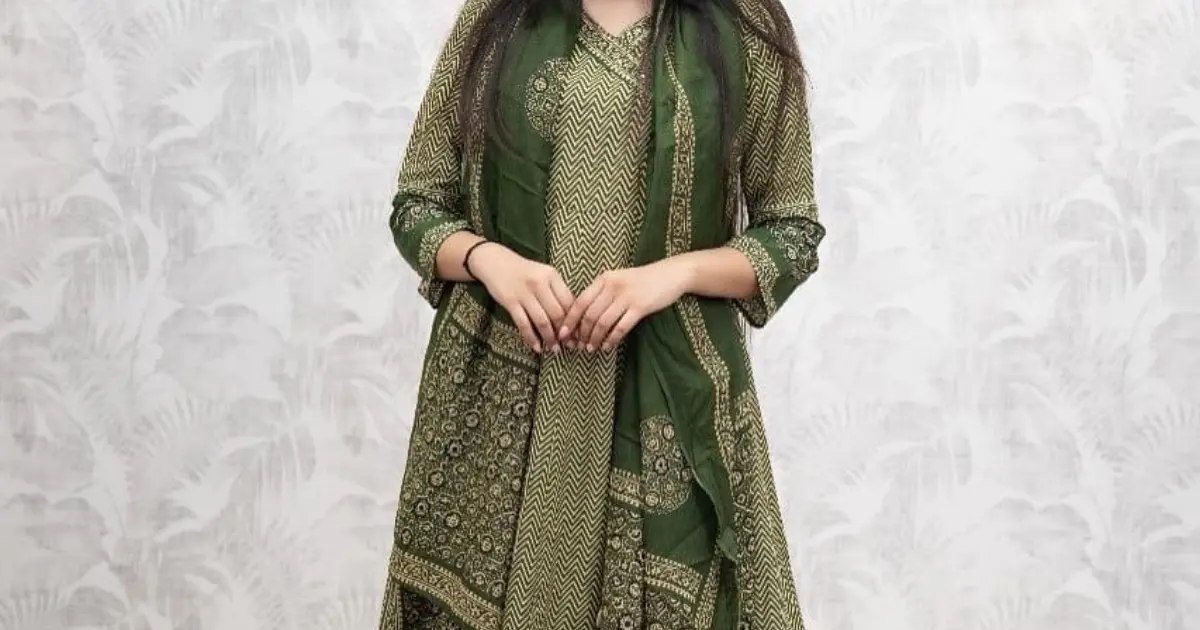
A good starting point for all successful printed cotton dress materials is based on knowledge of their functionality and application purposes. For general clothing, the properties of softness to the skin, lightness, and easy cleanliness are required, whereas for uniform clothing, the fabric properties should be slightly harder and more detailed in their functionality and design. Occasion-based clothing describes the requirement for greater visual effects and dark colors to intensify the overall effect and effectiveness. Seasonal collections, particularly applicable in the context of tropical regions, would require fabrics that have properties of airflow, thus sustaining their cooling effect for longer hours of the day.
While buying cotton in bulk, the issue of consistency is given prime importance. Lack of consistency in texture, weight, and weave leads to flaws in the apparel being made. While replicating for Ekoprints, it is essential to ensure that the cotton entails a natural and smooth touch. The weight of the fabric assists in determining the drape and fitting of the apparel. Light-weight cotton is suitable for creating relaxed and casual apparel, whereas medium to heavier-weight cotton is suitable for creating apparel with carved designs.
Patterns & designs provide a rudimentary basis for determining the suitability of fabrics available in the market. Although fashion tends to evolve periodically, there tend to be designs that persist in their demand. Those designs that are subtle tend to conserve their demand as far as regular clothing is concerned, as well as official clothing, whereas brawny designs tend not only to make a statement but also tend to look more attractive during the time of festival or special dressing. The younger generations may take note of the latest design & statement, whereas irreplaceable designs tend to beat the philosophy for a wider range.
In addition, there is an element that needs to be considered during the search process if mass cotton production is being looked for, and that is color. Light shades and pastel shades are probably preferred if casual or summer clothes are being worn. For instance, there could be a boost during festivals or launching occasions, especially if bright colors are being used. Still, it should not result in fading and changes to the color exposure to water and sunlight. Otherwise, it may lead to poor outcomes concerning production or customer satisfaction.
The cotton printing methods are likely to have an effect on the aesthetic value as well as the life of the cotton fabric. Some methods tend to incorporate intricate prints and are suited to the high-end range, while there are others that tend to be appropriate in terms of budget and performance for other ranges. It is very important that the individual purchasing the fabric is able to comprehend the differences in the methods required to facilitate the procurement of the right printed cotton dress material. This trait of the fabric company of providing the best prints is also present in the Ekoprints brand.
Improvement in the usefulness of printed cotton fabric is further achieved through finishing. The improvements brought about by the manufacturer in order to provide consumer comfort improve comfort, whereas resistance to shrinkage helps retain the true dimensions even after washing. A fabric that is comfortable and acts predictably builds more confidence among customers and therefore the consumer.
Other factors related to time and season play a major role in bulk sourcing, too. Where cotton is concerned, lighter prints get picked during the warmer seasons, and once there is a festival around the corner, bolder prints get picked up. Of course, it is good to have a set of basic prints which can be sported at all times of the year to keep the sales high. This is the one thing everybody dealing with a global clientele should remember.
The most essential area in this respect is the role of sampling in the matter of buying in bulk. This becomes feasible for the buyers as they are able to assess, analyze, and judge all the factors with respect to texture, print, and color clarity, and quality by the development of samples prior to the acquisition of purchases in bulk. This way, it will not pose them much risk in judging the matter while acting with confidence.
Ekoprints follows a motto regarding printed cotton fabric that is used only in fine arts, and is also considered based on its use value. Because quality, design, usability, and demands in the marketplace are taken into account, consumers benefit from printed cotton fabric to produce their collection based on demands and last for a number of years to come. This item still stays in the lead regarding having an almost endless life span regarding fabric; it still maintains various sectors such as fashion despite being sourced appropriately.